
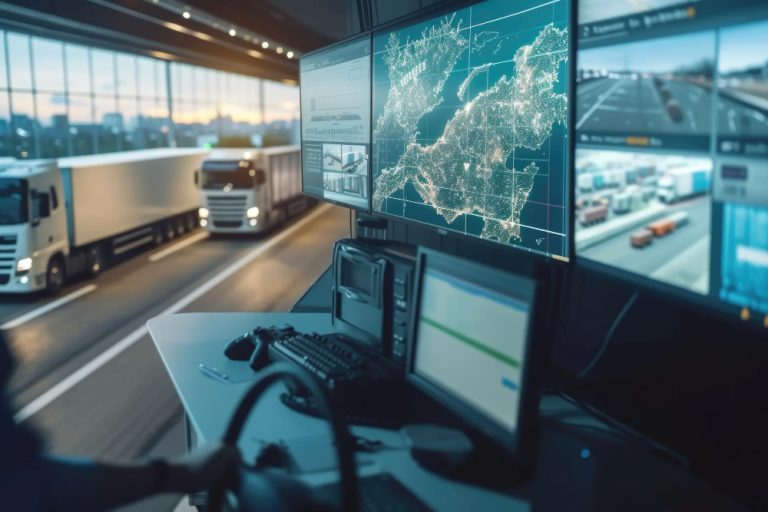
Transportation hubs keep Oakland connected to the rest of the Bay Area and beyond. BART stations, bus terminals, the Amtrak station, and the Port of Oakland all serve as gateways for commuters, travelers, and cargo. These facilities require security measures that protect passengers, employees, and infrastructure around the clock.
Transportation hub security services in Oakland address the particular challenges these environments present. High volumes of people moving through confined spaces, valuable assets, and the for incidents ranging from petty crime to larger threats all demand attention from trained security personnel.
Security Challenges at Transportation Facilities
Transportation hubs attract activity of all kinds. Commuters rushing to catch trains share space with people who may be homeless, intoxicated, or looking for opportunities to steal. The mix of populations creates situations that security teams must manage carefully.
The open nature of many transit facilities makes them difficult to secure. BART stations have multiple entrances and exits. Bus stops line public streets. Parking structures serve both travelers and thieves looking for unattended vehicles. Security personnel must cover large areas and respond quickly when problems arise.
Passenger Safety Concerns
People using public transportation in Oakland worry about their safety. Reports of assaults, harassment, and theft on trains and at stations make headlines regularly. These concerns discourage ridership and affect the quality of life for those who depend on transit.
Security guards stationed at transit facilities provide reassurance to passengers. Their presence deters bad actors and gives people someone to approach if they feel threatened. When incidents do occur, guards can intervene, summon help, and document what happened.
Types of Transportation Hub Security
Different transportation facilities require different security approaches. A busy downtown BART station needs guards who can manage crowds and respond to disturbances quickly. A quiet Amtrak platform may need patrol coverage during specific windows when trains arrive and depart.
Bus terminals present their own challenges. Multiple routes converge at central locations where passengers transfer between lines. Guards at these facilities monitor waiting areas, assist drivers dealing with problem passengers, and maintain order during busy periods.
Parking Security
Park and ride lots and parking garages at transit stations see regular vehicle break ins. Commuters leave their cars for hours while they travel to work, giving thieves time to target vehicles with visible valuables. Security patrols through these areas discourage break ins and catch criminals in the act.
Lighting, cameras, and patrol schedules work together to protect parked vehicles. Guards note suspicious activity, check for unauthorized vehicles, and report maintenance issues like broken lights or malfunctioning gates that could create security vulnerabilities.
Coordination with Transit Agencies
Security services at transportation hubs often work alongside transit agency police and staff. BART has its own police department that handles law enforcement on the system. Private security guards supplement this coverage by providing an additional presence at stations and in parking areas.
Communication between private security and transit authorities ensures coordinated responses to incidents. Guards can radio for BART police assistance when situations exceed their authority. They share information about recurring problems and patterns that help agencies allocate resources effectively.
Emergency Response
Transportation hubs need security personnel prepared for emergencies. Medical incidents, fires, power outages, and evacuation scenarios require trained response. Guards at transit facilities should know emergency procedures, the locations of emergency equipment, and how to direct crowds during evacuations.
Earthquake preparedness matters in the Bay Area. Transit facilities include elevated structures, underground tunnels, and aging infrastructure that could be damaged in a seismic event. Security teams participate in drills and know their roles if an earthquake strikes.
Protecting Employees & Infrastructure
Transit employees face risks on the job. Bus drivers deal with fare disputes and unruly passengers. Station agents work alone during late night hours. Security presence protects these workers and helps them perform their jobs without constant worry about their safety.
Infrastructure protection involves guarding equipment, tracks, signaling systems, and facilities against vandalism and sabotage. Graffiti on trains and stations creates a perception of disorder. Damage to equipment can disrupt service for thousands of riders. Security patrols catch vandals and protect the physical assets that keep transit running.
Fare Enforcement Support
Fare evasion costs transit agencies millions of dollars annually. While fare enforcement is typically handled by agency personnel, security guards support these efforts by monitoring entry points and reporting gate jumpers. Their presence at fare gates discourages people from trying to ride without paying.
The Port of Oakland
The Port of Oakland handles containerized cargo that moves through Northern California. This facility requires security measures that meet federal maritime requirements and protect billions of dollars worth of goods passing through annually.
Port security involves access control at gates, patrols of terminal areas, and coordination with customs and border protection agencies. Guards verify credentials, inspect vehicles, and monitor for unauthorized access to restricted areas where cargo is stored and loaded.
Selecting Transportation Security Services
Organizations operating transportation facilities in Oakland should choose security providers with relevant experience. Transit environments differ from office buildings or retail stores. Guards need to understand passenger flow, transit operations, and the legal framework governing public transportation.
Training in dealing with populations that frequent transit hubs is also valuable. De-escalation techniques, mental health awareness, and compassionate approaches to people in crisis help guards handle situations appropriately. Not every problem at a transit station requires a forceful response.
Transportation hub security services in Oakland contribute to the daily experience of thousands of travelers. When security works well, people board their trains and buses without worry, commute to work safely, and return home without incident. That reliability is what effective transportation security delivers.