
Airport security operations protect millions of travelers daily while ensuring smooth transportation system functioning. The scale and depth of airport security demands trained professionals, advanced technology, and coordinated procedures. Knowing how airport security works reveals the extensive measures that keep aviation safe and secure.
The Evolution of Airport Security
Aviation security has changed dramatically over decades. Early airport security consisted primarily of basic access control and law enforcement presence. Modern airport security encompasses multiple screening layers, intelligence analysis, and coordinated response capabilities.
Historical incidents drove security improvements. Each major security breach or attack prompted evaluation and improvement of protective measures. Lessons learned from past events mould current procedures and technology deployments.
International cooperation has standardized many security practices. Organizations such as the International Civil Aviation Organization set baseline security requirements for airports worldwide. This standardization ensures consistent protection regardless of location.
Technology advances enable more effective screening while reducing passenger inconvenience. Machines detect threats that were undetectable decades ago. Automation speeds processing while improving accuracy.
Passenger Screening Operations
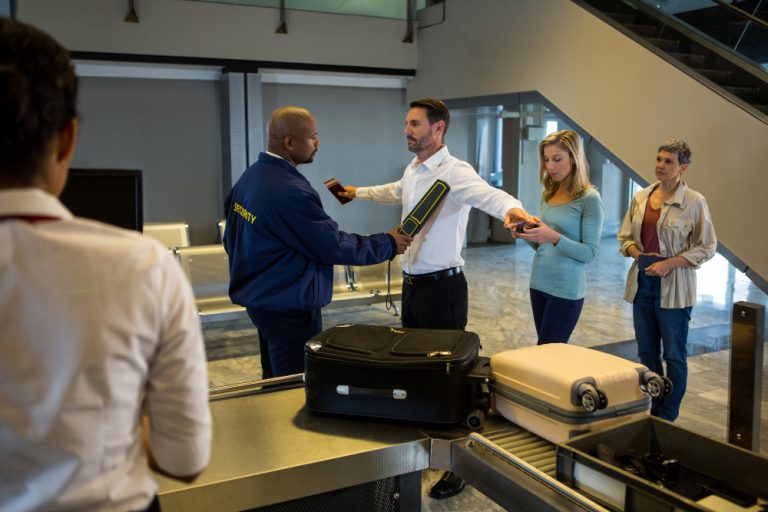
Security checkpoints form the primary barrier preventing prohibited items from entering secure areas. Trained officers screen passengers and carry-on baggage using multiple technologies. X-ray machines reveal contents of bags while metal detectors and body scanners check individuals.
The screening process balances thorough examination with passenger flow requirements. Airports must screen everyone effectively while avoiding excessive delays that disrupt travel. Efficient procedures and adequate staffing prevent bottlenecks during peak travel periods.
Behavior detection officers observe passengers for signs of stress, deception, or concerning behavior. These trained personnel identify individuals who may require additional screening or questioning. Behavioral analysis adds a human element to technology-based screening.
Random additional screening provides unpredictability that deters those planning to exploit security procedures. Secondary screening can include more thorough pat-downs, explosive trace detection, or detailed baggage examination. This randomization makes it difficult to predict screening methods.
Checked Baggage Security
All checked luggage undergoes screening before being loaded onto aircraft. Explosive detection systems scan bags for prohibited materials. This screening happens behind the scenes, invisible to most passengers but essential to flight safety.
Baggage reconciliation systems ensure that bags match passengers on each flight. This prevents scenarios where someone checks a bag but does not board the flight, which could indicate a threat. Mismatched bags are removed and investigated before aircraft departure.
Tracking systems follow baggage from check-in through loading. Barcodes or RFID tags allow monitoring at each step. This tracking reduces lost baggage while maintaining security awareness of bag locations.
Canine teams provide additional detection capability. Dogs trained to detect explosives or narcotics can screen large volumes of baggage quickly. Their mobility allows deployment to various airport locations as needed.
Access Control & Perimeter Security
Restricting access to secure areas protects aircraft, passengers, and airport infrastructure. Multiple barriers separate public areas from restricted zones. Each access point requires proper credentials for entry.
Employee screening ensures that airport workers do not introduce threats. All personnel with access to secure areas undergo background checks, security training, and regular rescreening. Insider threat prevention remains a constant priority.
Perimeter security prevents unauthorized access to airport grounds and airfields. Fencing, sensors, cameras, and patrols monitor boundaries. Intrusions are detected quickly and responded to immediately.
Vehicle access control protects against vehicle-borne threats. Checkpoints verify authorization for vehicles entering restricted areas. Parking restrictions keep vehicles away from terminal buildings and aircraft.
Law Enforcement Presence
Police officers stationed at airports provide visible deterrence and emergency response capability. Their law enforcement authority allows them to investigate crimes, make arrests, and coordinate with federal agencies. Local police work alongside federal security personnel in many airports.
Rapid response to incidents requires preparation and training. Officers drill regularly on scenarios including active shooters, bomb threats, and hijacking attempts. Coordination between agencies ensures effective responses.
Investigations of security breaches, thefts, and other crimes maintain airport safety. Detectives work cases involving contraband smuggling, document fraud, and organized crime. Intelligence gathered from investigations informs security planning.
Community policing approaches build relationships with airport workers and frequent travelers. Officers who know the airport community can identify unusual activity more easily. These relationships also improve cooperation during investigations.
Federal Security Coordination
Transportation Security Administration officers conduct passenger and baggage screening at most U.S. airports. This federal presence ensures consistent security standards across locations. TSA officers receive standardized training and follow uniform procedures.
Federal air marshals travel on flights to deter hijackings and respond to in-flight security incidents. Their presence is covert, and deployment patterns are classified. This unpredictability prevents terrorists from knowing which flights have marshals.
Customs and Border Protection officers screen international arrivals. They verify travel documents, question travelers, and inspect baggage. CBP protects against entry of prohibited goods, illegal immigration, and terrorist infiltration.
Federal Bureau of Investigation coordinates terrorism investigations and threat response. FBI agents work with airport security to investigate threats, gather intelligence, and prepare for attacks. Joint terrorism task forces bring together multiple agencies.
Technology Systems Integration
Closed-circuit television systems monitor all public and restricted areas. Hundreds or thousands of cameras create detailed coverage. Operators watch for suspicious activity, respond to alarms, and provide footage for investigations.
Analytics software processes video feeds to detect unusual patterns. Algorithms can identify abandoned bags, people entering restricted areas, or crowds forming in unusual locations. These alerts allow rapid human response to possible problems.
Access control systems track who enters each secure area and when. Electronic logs create audit trails for investigations. Lost or stolen credentials are immediately deactivated to prevent misuse.
Alarm systems protect doors, windows, and sensitive equipment. Intrusions trigger immediate alerts to security operations centers. Response teams investigate all alarms, either false or actual threats.
Cargo & Mail Security
Freight screening prevents threats in cargo shipments. All cargo aboard passenger aircraft undergoes security screening. Dedicated cargo flights have different requirements but still include security measures.
Known shipper programs establish security standards for companies sending cargo via air. Participants implement security measures, conduct background checks on employees, and allow inspections. This system balances security with commerce.
Mail screening protects against explosive devices or hazardous materials in postal shipments. Special protocols apply to mail from unknown senders or suspicious packages. Postal inspectors work with airport security on mail safety.
Supply chain security extends to vendors serving airports. Caterers, maintenance companies, and other service providers must meet security standards. Their employees undergo screening similar to airport workers.
Emergency Response Planning
Incident response plans address scenarios from natural disasters to terrorist attacks. Detailed procedures specify responsibilities, communication protocols, and resource coordination. Regular updates keep plans current.
Evacuation procedures account for airport size and passenger volumes. Primary and alternate routes ensure people can exit safely. Special provisions address needs of elderly passengers, families with children, and individuals with disabilities.
Coordination with emergency services ensures rapid response. Fire departments, hospitals, and hazardous materials teams understand airport layouts and security requirements. Joint training exercises improve coordination.
Business continuity planning minimizes disruption during security incidents. Procedures for resuming operations balance safety with economic needs. Airlines, concessionaires, and ground handlers coordinate to restore normal operations quickly.
Intelligence & Risk Assessment
Threat intelligence from various sources informs security operations. Government agencies share information about terrorist groups, smuggling operations, and other threats. This intelligence guides resource deployment and security posture adjustments.
Risk assessment determines where security resources should focus. Not all threats are equally likely or dangerous. Analysis identifies the most significant risks and allocates protection accordingly.
Information sharing between airports improves overall aviation security. Successful attacks or security breaches at one location prompt protective measures elsewhere. International coordination spreads best practices globally.
Trend analysis reveals patterns requiring attention. Increases in certain types of incidents or contraband discoveries indicate emerging threats. Security strategies adapt based on these trends.
Passenger Education & Cooperation
Clear communication about security procedures reduces confusion and speeds screening. Signs, announcements, and online information help passengers prepare for security checkpoints. Informed passengers cooperate more effectively.
Prohibited items lists specify what cannot be brought through security or onto aircraft. Regular updates reflect changing threats and regulations. Travelers who review these lists before packing avoid delays and confiscation.
Reporting suspicious activity relies on passenger vigilance. Travelers who notice concerning behavior or abandoned items can alert security personnel. Public awareness campaigns encourage reporting without creating paranoia.
Compliance with officer instructions ensures smooth screening. Passengers who follow directions, provide requested information, and cooperate with additional screening help maintain security while keeping lines moving.
Challenges & Future Developments
Balancing security with passenger experience remains an ongoing challenge. Travelers want thorough security but minimal delays. New technologies and procedures aim to improve both security effectiveness and processing speed.
Evolving threats require constant adaptation. Terrorist tactics change in response to security measures. Security professionals must anticipate new threats and develop countermeasures proactively.
Privacy concerns affect implementation of new security technologies. Balancing effective screening with respect for individual rights requires careful consideration. Policies must protect privacy while maintaining security.
Cost considerations influence security decisions. Implementing new technologies, hiring personnel, and maintaining systems require substantial funding. Airport authorities and governments must prioritize investments in security.
Conclusion
Airport security services provide layered protection that safeguards aviation from multiple threats. The combination of trained personnel, advanced technology, coordinated procedures, and continuous improvement creates a security system that processes millions of travelers while preventing attacks. Although passengers may find security procedures inconvenient, these measures have proven effective in protecting aviation.
Ongoing evolution of airport security responds to changing threats while seeking to improve passenger experience. The men and women who staff security checkpoints, patrol terminals, and analyze intelligence work daily to maintain safe skies. Their dedication and professionalism enable the aviation system that connects the world. As threats evolve, airport security will continue adapting to meet new challenges while preserving the freedom of movement that air travel provides.